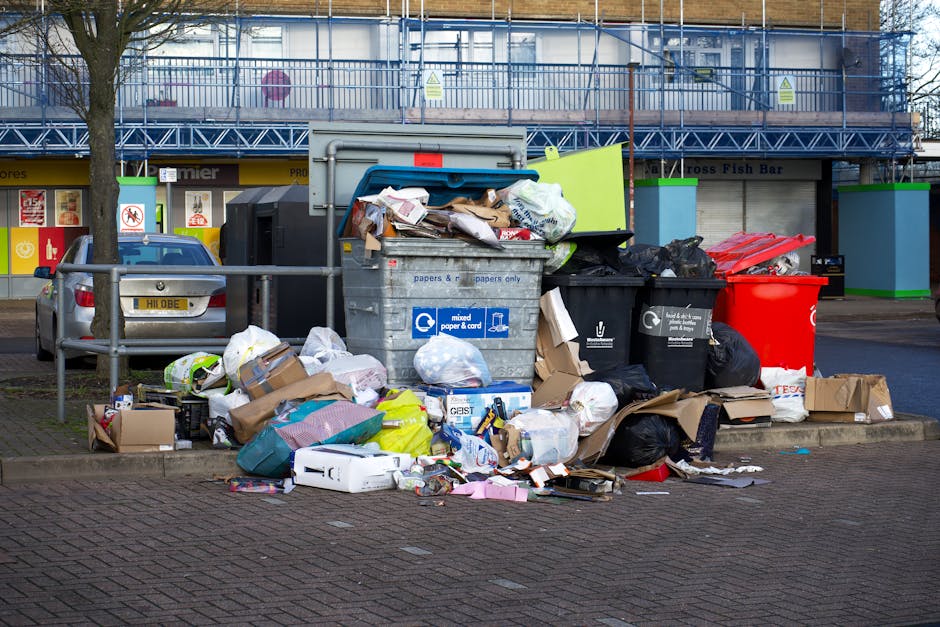
Aldborough Hatch estate rubbish removal options in Hainault: a practical guide for homes, flats, and small businesses
If you are dealing with a bulky clear-out, builder's debris, or a few too many bags piling up by the back gate, Aldborough Hatch estate rubbish removal options in Hainault can feel more complicated than they should be. Space is tight, access can be awkward, and on a busy estate you usually want the mess gone without upsetting neighbours or blocking shared walkways. Fair enough, really.
This guide breaks down the most sensible ways to handle rubbish removal in Aldborough Hatch estate, what each option is good for, and how to choose the right one for your situation. You will also find a step-by-step process, a comparison table, compliance notes, and a practical checklist you can use before booking anything. If you are weighing up a bigger clearance, it may also help to look at waste removal services alongside more specific options such as home clearance or flat clearance.
Table of Contents
- Why Aldborough Hatch estate rubbish removal options in Hainault matters
- How Aldborough Hatch estate rubbish removal options in Hainault works
- Key benefits and practical advantages
- Who this is for and when it makes sense
- Step-by-step guidance
- Expert tips for better results
- Common mistakes to avoid
- Tools, resources and recommendations
- Law, compliance, standards, or best practice
- Options, methods, or comparison table
- Case study or real-world example
- Practical checklist
- Conclusion
- Frequently asked questions
Why Aldborough Hatch estate rubbish removal options in Hainault matters
Estate rubbish clearance is not just about getting rid of unwanted stuff. On a place like Aldborough Hatch estate, the way rubbish is removed can affect access, safety, noise, cleanliness, and even how smoothly neighbours can go about their day. That matters more than many people expect. One overflowing pile at the wrong time can quickly turn into a blocked path, a smell issue, or a complaint from the people next door.
In Hainault and the surrounding London area, many households want a tidy, fast solution that does not create more disruption than the waste itself. That is especially true when you are handling heavy items, awkward furniture, or mixed rubbish that cannot simply be left for the ordinary bin collection. You may need a more flexible service that can collect from inside the property, a shared garden area, or a tight parking bay. Not glamorous work, but it solves a real problem.
It also matters because different waste types need different handling. Garden cuttings, broken furniture, old appliances, and building rubble do not all belong in the same pile. Choosing the right method from the start helps avoid double handling and wasted money. It is one of those small decisions that saves a lot of faff later.
Practical takeaway: the best rubbish removal option is usually the one that fits your access, waste type, timetable, and budget-not simply the cheapest quote on paper.
If the job involves a larger mix of household items, a broader house clearance service may be easier than trying to piece together several smaller collections.
How Aldborough Hatch estate rubbish removal options in Hainault works
Most rubbish removal services follow a simple pattern: assess, quote, collect, sort, and dispose responsibly. The details vary, but that is the basic flow. On an estate, access is often the biggest deciding factor. Can a vehicle get close enough? Is there space to load safely? Will the team need to carry items down stairs, through communal halls, or around a narrow side path? These questions matter more than people think.
For a straightforward collection, you usually describe the waste, share photos if needed, and agree a time slot. Some jobs can be done in one visit. Others need a bit more planning, especially if the waste is bulky or mixed. Builder's rubble, for example, is handled differently from old sofas, and a load of office paper is a different conversation again. If you are unsure what you have, a clear description helps a lot.
Here is a useful way to think about the process:
- You identify the waste and sort what can stay from what needs to go.
- You check access, parking, stairs, and whether there are any shared estate rules to consider.
- You request a quote and confirm what is included.
- The team arrives, loads the waste, and removes it.
- The waste is then sorted for reuse, recycling, or disposal.
That final part is important. Good clearance is not just removal; it is the responsible handling after the removal. If you are clearing mixed waste from a renovation or refurbishment, a service like builders waste clearance may be a better fit than a general rubbish run.
For smaller domestic jobs, people often choose between a labour-only collection, a vehicle-based waste removal service, or a skip. Each has its place. The right answer depends on whether you want the waste taken from where it sits, or you are happy to load it yourself. Simple enough, but it changes the whole experience.
Key benefits and practical advantages
Choosing the right rubbish removal option in Aldborough Hatch estate can make life noticeably easier. It is not only about speed. It is also about reducing disruption, keeping shared areas clean, and dealing with items that are too awkward for normal household disposal.
1. Less strain and less carrying
Heavy furniture, broken wardrobes, appliance parts, and damp bags of garden waste are not fun to move. Letting a clearance team do the lifting saves time and, to be honest, your back. If you have ever tried carrying a sofa through a tight hallway, you already know the problem.
2. Cleaner shared spaces
On an estate, rubbish left too long can make paths untidy very quickly. Fast removal helps keep communal spaces usable and avoids that messy, slightly apologetic feeling when neighbours have to walk past your pile of waste on the way to work.
3. Better handling of mixed loads
Many clear-outs are not neat and tidy. You might have cardboard, broken shelving, old bedding, a fridge, and some renovation waste all at once. A service that can handle mixed waste is often more practical than trying to organise separate disposal for every item.
4. More suitable for awkward access
Estate properties often have shared entrances, stairwells, parking limits, or vehicle access issues. A service that works around those realities can be far less stressful than hiring transport and trying to do it yourself on a Saturday morning.
5. Clearer recycling outcomes
Responsible rubbish removal should sort materials sensibly and divert reusable items where possible. If sustainability matters to you, it is worth checking how a provider approaches recycling. A good starting point is their recycling and sustainability approach.
In short: the real benefit is not just getting rid of clutter. It is getting rid of it without creating another problem.
Who this is for and when it makes sense
These options suit a wide range of people. In fact, the same estate can produce very different needs from one week to the next. One resident is clearing a spare room. Another has a broken fridge. A landlord is dealing with a turnaround between tenants. Someone else has just finished a small refurb and needs the builders' mess gone by the next morning. Different jobs, same general headache.
It usually makes sense to consider professional rubbish removal if you are:
- clearing a flat, maisonette, or estate home with limited access
- disposing of furniture that is too big for standard collection
- dealing with bags of household junk after a declutter
- handling garden waste after a seasonal tidy-up
- removing waste after light building or decorating work
- emptying a garage, loft, or storage space
- running a small business or home office and need clutter removed quickly
For furniture-heavy jobs, you may want to look at furniture clearance or even a more specific furniture disposal service if the items are mainly sofas, tables, beds, and chairs.
It also makes sense when timing matters. Estate living can mean you want the collection done before school run traffic, before bins go out, or before a viewing, inspection, or move-out deadline. That sort of pressure changes the decision pretty quickly.
Step-by-step guidance
If you want a smoother experience, do the job in the right order. That sounds obvious, but people often rush the first bit and then wonder why the collection is more expensive or less convenient than expected.
Step 1: identify everything that needs to go
Walk through the space slowly. Look in corners, under beds, behind doors, and in storage cupboards. A lot of "small rubbish jobs" turn out to be larger once you see everything together. The smell of old cardboard and the sight of that one broken chair usually tells the story.
Step 2: separate special items
Some waste needs special handling. Fridges, freezers, and certain appliances should be identified early. Hazardous items need extra care too. Do not mix them casually with normal rubbish.
If you have appliances to remove, a dedicated fridge and appliance removal option is often the safest route. For more sensitive waste streams, hazardous waste disposal is the page to review first.
Step 3: check access honestly
Be realistic about stairs, locks, lift use, and parking. If a vehicle can only stop a short distance away, the team needs to know. If the route includes three floors and a narrow turn, say so. It helps the service plan properly, and nobody likes a surprise half-way through the job.
Step 4: ask what is included
Does the service include loading, labour, sweep-up, and disposal? Are there any restrictions on item types? What happens if the load is bigger than expected? These are sensible questions, not awkward ones.
Step 5: prepare the area
Move personal items out of the way, unlock gates, and keep pets or children clear while work is happening. A little prep goes a long way. If you can stage the waste in one place safely, collection tends to be quicker and tidier.
Step 6: confirm payment and paperwork
Make sure you understand the agreed price, payment method, and any terms. You can review the site's payment and security guidance and, if needed, the terms and conditions before booking.
Step 7: keep the post-collection record
For business or landlord jobs, keep a note of what was removed and when. If you ever need to answer a tenant query or internal question later, that bit of admin saves time.
Expert tips for better results
Little decisions make a big difference here. The best clearances are usually the ones where the waste is described properly and the access is thought through before anyone arrives.
- Take photos in daylight. A quick phone picture in good light often explains more than a long message. Even a slightly messy room is easier to judge when the team can see the full picture.
- Group similar items together. It helps with loading and can make recycling simpler. Cardboard with cardboard, timber with timber, soft furnishings together if possible.
- Tell the team about anything heavy or fragile. A cracked wardrobe, a rain-soaked mattress, or a rusted filing cabinet can all change the lift plan.
- Leave a clear path. It sounds minor, but it cuts time and reduces the chance of scuffs or accidents. Estate hallways can be tight enough already.
- Book with margin if you have a deadline. If a move-out, contractor visit, or inspection is looming, do not leave rubbish removal to the last possible hour. People often do, of course. Then they panic. Human nature.
For large domestic projects, a broader home clearance can be more efficient than booking several small collections. And if the job is in a smaller property or upper-floor flat, flat clearance is often the better fit.
One more thing: ask about recycling before booking. A provider that separates waste properly may take a little more care on site, but the outcome is usually better and less wasteful. Worth it, in our view.
Common mistakes to avoid
Most problems with estate rubbish removal are predictable. That is good news, because predictable problems can usually be avoided with a bit of planning.
1. Underestimating the volume
A pile that looks small in the corner can become a full van load once everything is gathered. Bags bulge, broken furniture takes more room than expected, and suddenly the quote changes. Measure twice, as the old saying goes. Or at least look twice.
2. Forgetting access issues
If the route is awkward, mention it. A job that looks simple from the front door may involve long carries, stairs, or limited parking. That affects time and cost.
3. Mixing normal waste with special waste
Do not hide a fridge inside a mixed pile or bury damaged items that need separate handling. It creates a delay and can create compliance issues. Better to name everything clearly up front.
4. Choosing only on price
The cheapest option is not always the best value. If a quote sounds too low, check what it excludes. Are labour, loading, and disposal included? Is there a minimum charge? What happens with awkward items? You do not want surprises once the team turns up.
5. Ignoring estate rules or neighbours
If you need to use shared access or common parking, think about timing and courtesy. Early morning collections can be brilliant for traffic, but not if they wake half the building unnecessarily.
6. Leaving the clear-out until the last minute
Truth be told, this is the big one. Most rush jobs are harder than they needed to be. A little early planning usually means less stress and a cleaner result.
Tools, resources and recommendations
You do not need fancy equipment for a standard rubbish removal job, but a few simple tools make the prep phase easier. A roll of heavy-duty bags, work gloves, a tape measure, and a phone camera are often enough.
For more organised clearances, these resources on the site are worth keeping in mind:
- pricing and quotes if you want to understand how the service is usually costed
- book online when you want a quick and simple booking route
- what can go in a skip if you are comparing skip loading with manual collection
- garage clearance for sheds, overflow storage, and mixed clutter
- loft clearance if the waste is coming from storage areas above living space
If the load is office-related, especially paper-heavy or sensitive, then office clearance and confidential shredding may be relevant. That is one of those combinations that saves a lot of back-and-forth.
For local trust signals, it is also sensible to review the company's about us, health and safety policy, and insurance and safety information before making a decision. Those pages do not make the rubbish disappear any faster, obviously, but they do tell you a lot about how carefully a provider works.
Law, compliance, standards, or best practice
Rubbish removal is not something to treat casually. In the UK, waste has to be handled responsibly, and that includes sorting, transporting, and disposing of it in a way that avoids fly-tipping and unsafe handling. You do not need to become an expert in waste law just to clear a flat, but you should expect a professional operator to work carefully and lawfully.
Best practice usually includes:
- clear item descriptions before collection
- safe loading methods
- responsible recycling or disposal routes where possible
- special handling for certain appliances or hazardous items
- transparent pricing and terms
For business customers, duty of care matters even more. If you are clearing an office, shop, or workspace, make sure the service used is appropriate for the kind of waste being removed. In that context, business waste removal is often the right place to start.
There is also a practical safety side. Heavy lifting, sharp edges, broken glass, old paint tins, and damp materials can all cause problems if handled badly. A decent operator should treat this as normal risk management, not drama. Calm, steady, sensible work. That is the standard you want.
Finally, if sustainability is part of your decision-making, look for a provider that openly explains how waste is separated and where reusable material is directed. The detail matters more than the marketing line.
Options, methods, or comparison table
Choosing between the main rubbish removal methods becomes much easier when you compare them side by side. The "best" choice is usually the one that matches your access and waste type, not just the one that sounds quickest.
| Option | Best for | Strengths | Watch-outs |
|---|---|---|---|
| Man-and-van style rubbish removal | Mixed household waste, furniture, quick clear-outs | Flexible, often fast, waste can be taken from inside the property | Needs accurate volume estimates and clear access details |
| Skip hire | Projects where you can load waste yourself over time | Good for ongoing work, tidy if space allows | Needs parking space and self-loading; not always ideal on estates |
| Specialist clearance service | Bulky items, specific room clearances, landlord or move-out jobs | More hands-on help, better for awkward lifts and fast turnaround | May cost more than a basic collection, depending on load and access |
| Targeted item disposal | Appliances, mattresses, sofas, or specific waste types | Very efficient for one-off items | Not ideal for a large mixed pile |
If you are looking at a single bulky item, mattress and sofa disposal can be more direct than a general clearance. If it is just one fridge, appliance removal is likely cleaner and simpler.
For garden work, a dedicated garden clearance is often better than trying to squeeze green waste into a general household load. That tiny distinction can save time and keep the load more organised.
Case study or real-world example
Imagine a two-bedroom flat on Aldborough Hatch estate after a long-overdue declutter. There is an old wardrobe in pieces, two mattresses, several bags of mixed junk, a broken bedside cabinet, and a fridge that stopped working weeks ago. The corridor is narrow. Parking is nearby, but not exactly generous. Classic estate job, in other words.
The homeowner first separates the appliance from the rest of the load, then groups the furniture together and keeps the bags in one corner. They take a few photos in daylight and make a note of the access route, including the stairs and the shared entrance. That makes it easier to quote accurately.
On the collection day, the team removes the bulk of the waste in one visit, with the fridge handled separately. The path is left clear, the flat is noticeably calmer, and the owner can move on to decorating without tripping over half-dismantled furniture. It sounds simple because, when planned well, it is simple.
The main lesson? The job went smoothly not because the waste was tiny, but because the preparation was sensible. That is usually the difference between a frustrating morning and a decent one.
Practical checklist
Use this before you book anything. It saves time, and it stops the usual "oh, I forgot about that bit" moment.
- List every item or bag that needs removing
- Separate appliances, hazardous items, and anything fragile
- Check whether the waste is mainly household, furniture, garden, or builder's material
- Measure access points, stairs, and parking distance
- Take clear photos in daylight
- Ask what is included in the price
- Confirm whether loading is done for you
- Review payment details and terms
- Think about any estate rules or neighbour considerations
- Keep one final sweep of the area for personal items before the collection arrives
If you are unsure which service matches your load, start with a general clearance page such as waste removal and narrow it down from there. That approach is often quicker than trying to guess the perfect category first time.
Conclusion
Aldborough Hatch estate rubbish removal options in Hainault are really about finding the right balance between speed, access, waste type, and cost. Some jobs suit a straightforward collection. Others call for a more specific service, especially where furniture, appliances, or mixed bulky waste are involved. The more accurately you describe the job, the better the result tends to be.
For estate properties, the smartest approach is usually the one that keeps shared spaces clear, avoids unnecessary lifting, and makes recycling or responsible disposal easier. That may sound like common sense-and it is-but common sense is often what saves the day.
If you are planning a clear-out soon, take ten minutes to sort the waste properly, note the access, and choose a service that fits the job rather than forcing the job to fit the service. It really does make the whole thing less stressful.
Get a free quote today and see how much you can save.
And once the clutter is gone, the place feels lighter. That's the nice bit, really.
Frequently Asked Questions
What are the main rubbish removal options for Aldborough Hatch estate properties in Hainault?
The main options are general rubbish removal, furniture clearance, flat clearance, house clearance, appliance disposal, garden clearance, and skip hire. The best choice depends on what you need removed and how easy it is to access the property.
Is rubbish removal better than hiring a skip on an estate?
Often, yes, if access is limited or you want the waste taken from inside the property. Skip hire can work well if you have space and are happy to load everything yourself, but estates do not always make that easy.
How do I know if I need a flat clearance or a general waste removal service?
If the job is mainly inside a flat and involves furniture, room contents, or mixed household items, flat clearance is often the better fit. If it is just a smaller mixed rubbish load, general waste removal may be enough.
Can appliance removal include fridges and freezers?
Yes, but appliances should be identified clearly before collection. Fridges and freezers are usually handled separately because they need specific disposal arrangements, so mention them upfront.
What should I do before the collection team arrives?
Sort the waste, clear a path, remove personal items, and make sure access points are unlocked or easy to open. Photos and a short description of the load also help avoid confusion.
Do I need to separate different types of waste myself?
It helps, but you do not always need to sort everything into perfect piles. The main thing is to separate obvious special items such as appliances, hazardous waste, and anything you know needs extra care.
How can I keep costs down without cutting corners?
Be accurate about what needs removing, group items together, and mention access issues early. A clear description usually leads to a more reliable quote and fewer surprises on the day.
Is estate rubbish removal suitable for landlords and letting agents?
Yes. It is often a practical choice for end-of-tenancy clearances, abandoned items, or preparing a property for reletting. A service like house clearance or office clearance may be relevant depending on the type of space.
What happens to the waste after collection?
Responsible operators sort it for reuse, recycling, or disposal according to the waste type. The exact handling depends on what has been collected, but good practice is to avoid sending everything to landfill where that can be reduced.
Can I book rubbish removal for a business or home office on the estate?
Yes. If the waste comes from a business or work setting, business waste removal is a sensible option. It is especially useful for paper, office furniture, packaging, and general commercial clutter.
What if I only have one or two bulky items?
Then a targeted service may be more cost-effective than a full clearance. Sofas, beds, and mattresses can often be handled through dedicated disposal pages rather than a general all-purpose job.
How far in advance should I book?
If the job is simple, a short lead time may be enough. If there is a move-out date, an inspection, or limited access times on the estate, booking earlier is the safer choice. A little margin helps, honestly.